What Is an Ultrasound?
Ultrasound is a safe and painless test that uses sound waves to create images of the inside of your body. Doctors often call it an ultrasound scan. This test helps them see organs, tissues, and even blood flow. Unlike X-rays, ultrasound does not use radiation. Because of this, it is safe for most people, including pregnant women.
Common Uses of Ultrasound in Medicine
Doctors use ultrasound for many reasons. For example, it helps them check on a baby during pregnancy. But that is not all. Ultrasound can also help find problems in other parts of the body. Here are some common uses:
Because ultrasound is quick and safe, it is used in many clinics and hospitals.
How the Ultrasound Procedure Works
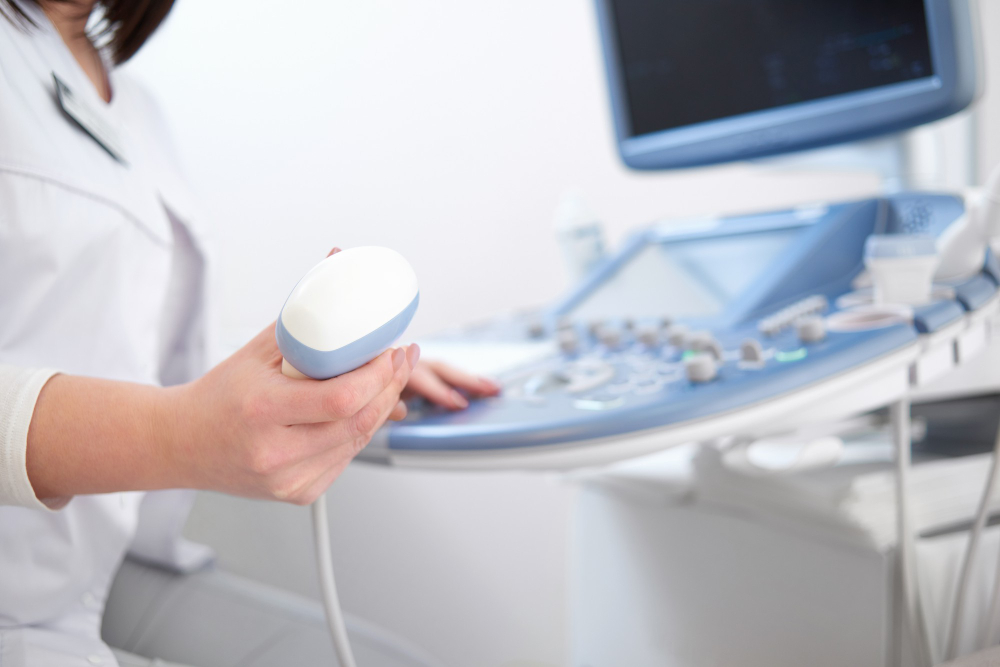
During an ultrasound scan, a trained person called a sonographer moves a small device over your skin. This device is called a transducer. It sends out sound waves that bounce off your body. Then, a computer turns these echoes into pictures. You can see these images on a screen right away. Most scans take less than 30 minutes.
Preparation and What to Expect During an Ultrasound
Before your ultrasound, your doctor will tell you how to get ready. Sometimes, you may need to drink water or avoid eating. But often, no special steps are needed. When you arrive, you may be asked to change into a gown. Next, you will lie down on a table. The sonographer will put a cool gel on your skin. This gel helps the sound waves travel better. Then, the scan begins. You may feel slight pressure, but it should not hurt. After the scan, you can usually go back to your normal day.
Safety and Risks of Ultrasound
Ultrasound is very safe. It does not use radiation, so there is no risk from X-rays. According to the World Health Organization (WHO), there are no known harmful effects when used properly. However, it should only be done when needed. Doctors follow strict rules to keep you safe. If you have questions about ultrasound safety, ask your healthcare provider.
Frequently Asked Questions About Ultrasound
Tips for Patients Undergoing Ultrasound
Conclusion
In summary, ultrasound is a safe and helpful tool for doctors. It helps them see inside your body without using radiation. If you need an ultrasound, you can feel confident about its safety. Consult a healthcare provider to learn if an ultrasound is right for you.