MRI trigeminal neuralgia is a key topic for anyone facing sudden, sharp facial pain. Trigeminal neuralgia is a nerve condition that causes intense pain in the face. An MRI scan helps doctors find the cause and plan the best treatment. Because MRI for trigeminal neuralgia diagnosis is so important, understanding the process can help you feel more prepared. In this blog, we explain what trigeminal neuralgia is, how MRI scans work, and what you can expect during diagnosis and treatment.
What is Trigeminal Neuralgia?
Trigeminal neuralgia is a condition that affects the trigeminal nerve. This nerve carries feeling from your face to your brain. When it is irritated or damaged, you may feel sudden, severe pain. Often, the pain comes in short bursts. For some people, even light touch or a breeze can trigger it. Although it is rare, trigeminal neuralgia can greatly affect daily life.
Role of MRI in Diagnosing Trigeminal Neuralgia
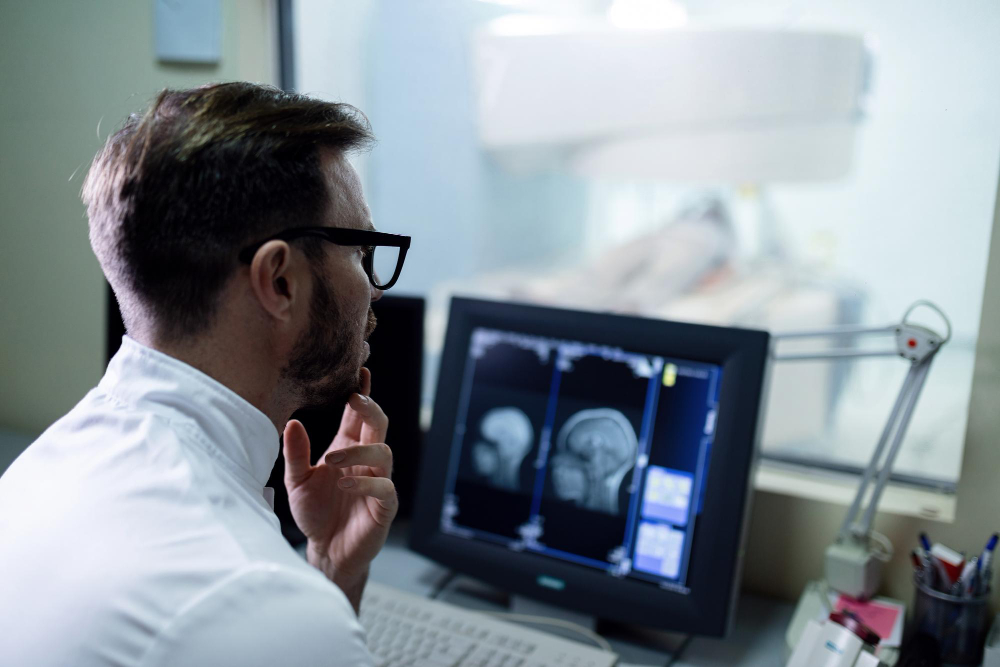
Doctors often use MRI for trigeminal neuralgia diagnosis. MRI stands for magnetic resonance imaging. It uses strong magnets and radio waves to create clear pictures of the brain and nerves. With an MRI scan, doctors can see if something is pressing on the trigeminal nerve. For example, a blood vessel or a tumor may be the cause. Because MRI findings in trigeminal neuralgia are very detailed, they help guide the next steps in care.
Common Symptoms
Trigeminal neuralgia has some clear signs. However, symptoms can vary from person to person. Here are the most common ones:
Sometimes, the pain can be mild at first. But over time, it may become more frequent or severe.
Causes and Risk Factors
There are several causes and risk factors for trigeminal neuralgia. Most often, a blood vessel presses against the trigeminal nerve. This pressure can damage the nerve’s protective covering. Less commonly, a tumor or multiple sclerosis may be the cause. Age is also a factor, as the condition is more common in people over 50. In addition, women are affected more often than men. Family history can play a role, but it is rare.
How MRI Helps in Diagnosis
MRI for trigeminal neuralgia diagnosis is very helpful. First, the MRI scan shows if a blood vessel is pressing on the nerve. Second, it can find tumors or other problems that may cause pain. Third, MRI findings in trigeminal neuralgia help rule out other conditions, such as multiple sclerosis. Because MRI scans do not use radiation, they are safe for most people. In some areas, access to MRI may depend on local hospitals or clinics. Always ask your doctor about the best place for your MRI scan.
Treatment Options
Treatment for trigeminal neuralgia depends on the cause and severity. After an MRI trigeminal neuralgia diagnosis, your doctor may suggest:
Because each case is different, your doctor will help choose the best option for you.
Prevention and Lifestyle Tips
While you cannot always prevent trigeminal neuralgia, some steps may help manage symptoms. For example:
Although lifestyle changes may not cure the condition, they can make daily life easier.
When to See a Doctor
If you have sudden, severe facial pain, see a doctor right away. Early diagnosis with a trigeminal neuralgia MRI scan can help find the cause and start treatment. In addition, if your pain gets worse or does not improve with treatment, contact your healthcare provider. Remember, prompt care can improve your quality of life.
For more information, visit trusted sources like the World Health Organization or the National Institutes of Health.
Consult a radiologist or neurologist for personalized advice on MRI trigeminal neuralgia.