A fetal cardiac scan is a special ultrasound that checks a baby’s heart before birth. This test is an important part of prenatal care. It helps doctors see if the baby’s heart is developing well. Early detection of heart problems can lead to better care and planning. Because of this, many doctors recommend a fetal cardiac scan during pregnancy, especially if there are risk factors.
What Is a Fetal Cardiac Scan?
A fetal cardiac scan is a detailed ultrasound of the unborn baby’s heart. Unlike a regular pregnancy ultrasound, this scan focuses only on the heart. It looks at the heart’s structure, size, and how it works. In most cases, doctors use this scan to check for heart defects or other issues. According to the Centers for Disease Control and Prevention (CDC), heart defects are among the most common birth problems. Therefore, a fetal cardiac scan can be very helpful in finding these early.
Why Is a Fetal Cardiac Scan Performed?
Doctors may suggest a fetal cardiac scan for several reasons. For example, if a routine prenatal ultrasound shows something unusual, a more detailed scan may be needed. Sometimes, family history or certain health conditions in the mother can increase the risk of heart problems in the baby. In addition, if the mother has diabetes or infections during pregnancy, the risk can be higher. The scan helps doctors:
Because early treatment can make a big difference, this scan is an important tool in pregnancy screening.
How Is a Fetal Cardiac Scan Done?
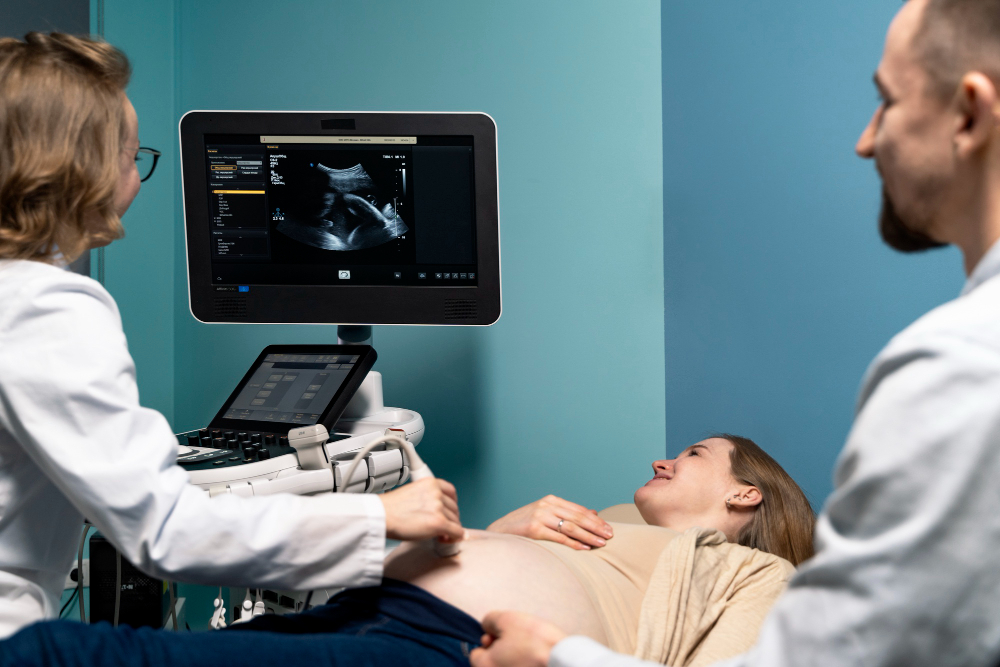
The scan is safe and painless. Usually, it is done between 18 and 24 weeks of pregnancy. During the test, a trained doctor or technician uses a small device called a transducer. This device sends sound waves into the mother’s belly. The sound waves create pictures of the baby’s heart on a screen. In some cases, a special type of ultrasound called fetal echocardiography is used for even more detail. The whole process usually takes 30 to 60 minutes.
What to Expect During the Procedure
Before the scan, you may be asked to drink water to fill your bladder. This can help get clearer images. During the scan, you will lie on a table. A gel is placed on your belly to help the device move smoothly. The technician will gently move the transducer over your skin. You may see your baby’s heart on the screen. The scan does not hurt, but you may feel a little pressure. After the scan, you can return to your normal activities right away.
Benefits and Limitations
There are many benefits to a fetal cardiac scan. For instance, it can:
However, there are some limitations. Sometimes, the scan may not show all heart problems. The baby’s position or movement can make it hard to get clear images. Also, not all heart defects can be seen before birth. Even so, the scan is a very useful tool for checking fetal heart health.
When Should You Consider a Fetal Cardiac Scan?
Your doctor may suggest a fetal cardiac scan if:
Even if you do not have these risk factors, you can ask your doctor about the scan. Early screening can help ensure your baby’s heart is healthy.
Frequently Asked Questions
In summary, a fetal cardiac scan is a key part of prenatal care. It helps check your baby’s heart health before birth. If you have questions or concerns, consult your healthcare provider for personalized advice about fetal cardiac scans.