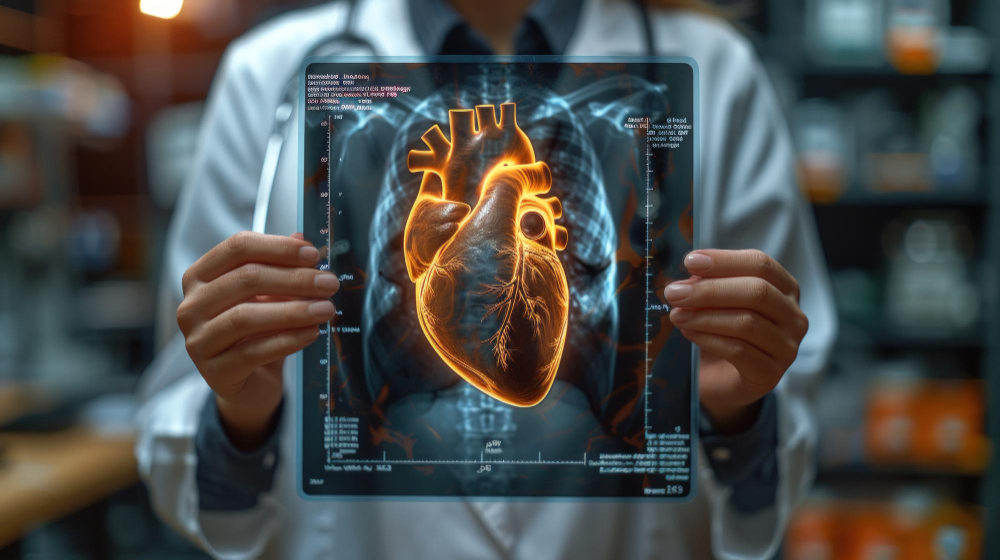
Heart disease is a leading cause of illness worldwide. Yet, many people do not know they have heart risks until symptoms appear. Detecting hidden heart risks through advanced CT screening can help find problems early. This early detection gives you a better chance to protect your heart health. In this blog, you will learn how advanced CT scans work, who should consider them, and what to expect during the process.
What Are Hidden Heart Risks?
Some heart problems develop quietly. For example, plaque can build up in your arteries without causing pain. This buildup may lead to heart attacks or strokes later. However, you may not notice any warning signs. These are called hidden heart risks. They include:
Because these risks are silent, regular check-ups may not always find them. Therefore, advanced screening methods are important.
How Does Advanced CT Screening Work?
Advanced CT screening uses a special type of X-ray called a computed tomography (CT) scan. This scan takes detailed pictures of your heart and blood vessels. As a result, doctors can see inside your arteries without surgery. The process is quick and non-invasive. For heart disease screening with CT, you may hear terms like “cardiac CT scan” or “coronary calcium scan.” These tests help spot hidden risks before they cause harm.
Benefits of Early Detection with CT Scans
Early detection is key to preventing serious heart problems. With advanced cardiac CT scan benefits, you can:
According to the CDC, early heart risk detection can save lives and reduce medical costs. In addition, non-invasive heart risk detection means less discomfort and faster results.
Who Should Consider Advanced CT Screening?
Not everyone needs a CT heart screening. However, you may benefit if you:
Even so, your doctor will help decide if this test is right for you. In many cities, you can find “CT heart screening near you” at local hospitals or imaging centers.
What to Expect During the Procedure
During a cardiac CT scan, you will lie on a table. The table moves through a large, donut-shaped machine. The scan usually takes less than 15 minutes. You may need to hold your breath for a few seconds. Most people feel no pain. After the scan, you can return to normal activities right away. Your doctor will explain the results and next steps.
Safety, Risks, and Limitations
CT scans are generally safe. However, they use a small amount of radiation. For most people, the benefits outweigh the risks. Still, pregnant women and those with severe kidney problems should avoid this test. Also, CT scans may not find all types of heart disease. Therefore, they work best as part of a full heart health plan. Always talk to your doctor about your options.
Prevention and Lifestyle Guidance
Even if your CT scan is normal, healthy habits matter. To lower your heart risk:
With these steps, you can protect your heart for years to come.
In summary, detecting hidden heart risks through advanced CT screening can save lives. If you have concerns about your heart, consult a radiology specialist to learn if advanced CT screening is right for you.