What is a CT Brain Scan?
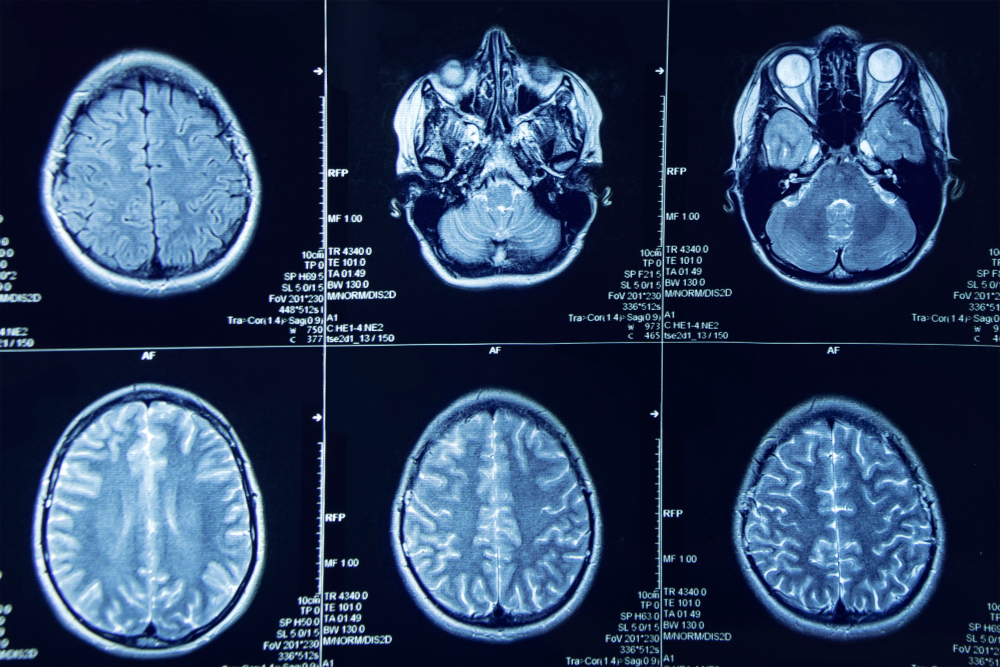
A CT Brain scan is a special type of X-ray. It takes detailed pictures of your brain. Doctors use this test to look for problems inside your head. Sometimes, you may hear it called a brain CT scan or head CT. The pictures help doctors see things that regular X-rays cannot show. Because of this, CT brain scans are very helpful for finding injuries, strokes, or tumors.
Why is a CT Brain Scan Needed?
Doctors order a CT brain scan for many reasons. For example, you may need one if you have a head injury. Sometimes, it helps find the cause of headaches or sudden confusion. In addition, a brain CT scan can check for:
Often, a CT scan gives quick answers in emergencies. This helps doctors start treatment right away.
How to Prepare for a CT Brain Scan
Preparing for a CT brain scan is simple. Most people do not need to do much. However, you should follow these steps:
Sometimes, you may need a contrast dye. This helps certain areas show up better. If so, your doctor will explain what to expect.
The CT Brain Scan Procedure: Step-by-Step
Knowing what happens during a CT scan can help you feel calm. Here is what you can expect:
After the scan, you can go home or return to your normal activities. If you had contrast dye, drink plenty of water to help flush it out.
Risks and Safety of CT Brain Scans
CT brain scans are safe for most people. However, there are some risks to know about. For instance, the scan uses a small amount of radiation. While this is usually safe, doctors only order CT scans when needed. Other risks include:
According to the CDC, the benefits of a CT scan often outweigh the risks. Still, always tell your doctor about any health concerns before the test.
Understanding Your CT Brain Scan Results
After your CT brain scan, a radiologist will look at the images. This doctor is trained to read brain imaging. They will send a report to your main doctor. Usually, your doctor will explain the results to you. Sometimes, you may get results the same day. Other times, it may take a few days. If the scan shows a problem, your doctor will talk about the next steps.
Frequently Asked Questions about CT Brain Scans
When to Consult a Doctor
If you have questions about a CT brain scan, talk to your doctor. For example, if you have new symptoms like severe headache, confusion, or vision changes, seek help right away. Early testing can help find problems sooner. Always follow your doctor’s advice about brain imaging and CT scan preparation.
For personalized advice about CT brain scans, consult a healthcare professional.