Introduction
Breast ultrasound is a safe, painless test that uses sound waves to create pictures of the inside of your breast. Doctors often use it to check for lumps or changes that may not show up on a mammogram. Because it does not use radiation, it is safe for most people. Early detection of breast problems is important for your health. According to the World Health Organization (WHO), regular breast checks help find issues early, when treatment works best.
When Breast Ultrasound Is Recommended
Doctors recommend breast ultrasound for several reasons. Sometimes, it is used after a mammogram shows something unusual. Other times, it helps check a lump you or your doctor can feel. In some cases, women under 40 or those with dense breast tissue may need this test. Here are common breast ultrasound indications:
Because breast ultrasound is safe, doctors may also use it for pregnant women or those who should avoid radiation. If you notice changes in your breast, ask your doctor if you need a breast ultrasound.
What Breast Ultrasound Detects
Breast ultrasound helps doctors see many types of changes in breast tissue. For example, it can show if a lump is solid or filled with fluid. This helps tell the difference between a cyst (a harmless, fluid-filled sac) and a solid mass. Here is what a breast ultrasound can detect:
However, not all findings are cancer. Most lumps are benign. Still, if a lump looks suspicious, your doctor may suggest a biopsy for more information. According to the CDC, early testing helps find problems before they become serious.
How the Procedure Works
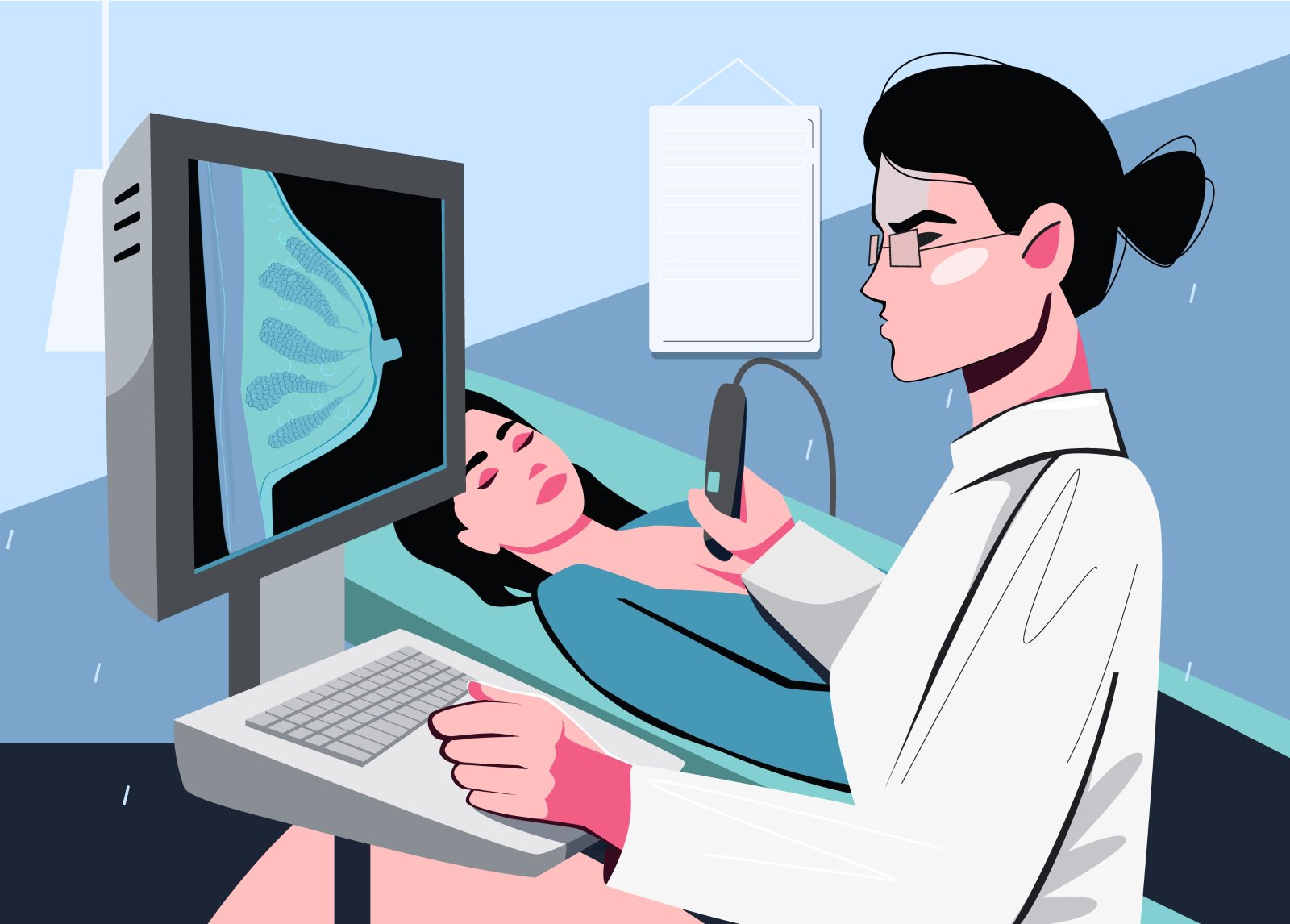
During a breast ultrasound, a trained technician or doctor uses a small device called a transducer. First, they put a special gel on your skin. Then, they move the transducer over your breast. The device sends sound waves into your breast, which bounce back to create images on a screen. Because the test is painless and quick, you can relax during the procedure. Usually, it takes about 15 to 30 minutes.
Preparation and What to Expect
Getting ready for a breast ultrasound is simple. You do not need to fast or change your routine. However, follow these steps for a smooth experience:
Because the test is non-invasive, you can return to your normal activities right away.
Benefits and Limitations
Breast ultrasound offers many benefits. For example, it is safe, painless, and does not use radiation. It works well for women with dense breast tissue and helps guide biopsies. However, there are some limitations. Ultrasound may not find very small cancers or all types of breast changes. Sometimes, it cannot replace a mammogram or other tests. Therefore, your doctor may suggest more than one test for a full picture of your breast health.
Prevention and Lifestyle Guidance
While breast ultrasound helps detect problems, healthy habits also matter. For instance, regular self-exams and yearly doctor visits can help catch changes early. In addition, eating a balanced diet, staying active, and limiting alcohol may lower your risk of breast problems. If you have a family history of breast cancer, talk to your doctor about your screening options. Early action and healthy choices work together for better breast health.
Conclusion
In summary, breast ultrasound is a safe and helpful test for checking breast changes. It helps doctors find both harmless and suspicious lumps. If you notice any changes or have concerns, consult a radiologist or healthcare provider for personalized advice.