What is a Liver Ultrasound?
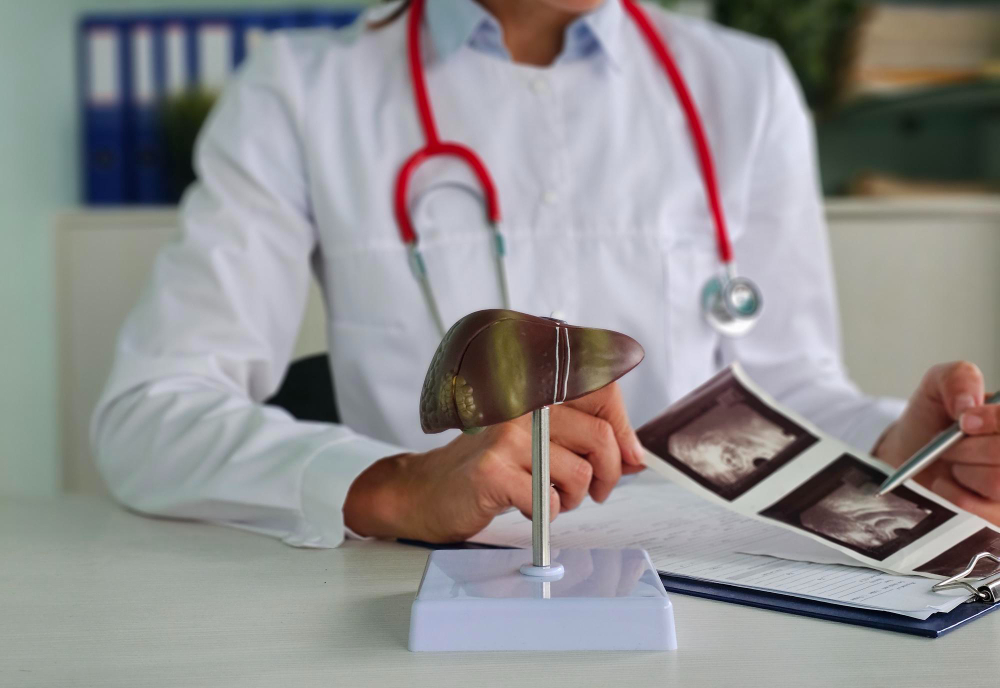
A liver ultrasound is a simple, non-invasive test. It uses sound waves to create pictures of your liver. Doctors use this test to check your liver’s size, shape, and texture. Because it is painless and quick, many people prefer it for liver health screening. The test does not use radiation, so it is safe for most people.
Why is Liver Ultrasound Important?
Liver ultrasound plays a key role in evaluating liver health. For example, it helps doctors spot early signs of liver problems. Early detection means treatment can start sooner. In addition, this test can monitor ongoing liver conditions. Many experts, including the CDC, recommend regular liver health screening for people at risk. Overall, liver ultrasound benefits both patients and doctors.
Common Reasons for Liver Ultrasound
Doctors may suggest a liver ultrasound for several reasons. Some common reasons include:
Sometimes, people search for “liver ultrasound near me” when they need a quick and safe test.
How is the Procedure Performed?
The liver ultrasound procedure is simple and fast. First, you will lie on your back. Next, a technician applies a special gel to your skin. Then, they move a small device called a transducer over your belly. The device sends sound waves into your body. These waves bounce off your liver and create images on a screen. The whole process usually takes less than 30 minutes. After the test, you can return to your normal activities right away.
What Can Liver Ultrasound Detect?
Liver ultrasound can detect many liver problems. For instance, it can find:
Because it is a non-invasive liver test, it is often the first step in checking for liver disease.
Preparation and Safety
Preparing for a liver ultrasound is easy. Usually, you may need to avoid eating or drinking for a few hours before the test. Your doctor will give you clear instructions. The test is very safe. It does not use radiation, so there is no risk of exposure. Most people feel no pain during the procedure. In rare cases, you may feel slight pressure from the device.
Limitations of Liver Ultrasound
Although liver ultrasound is helpful, it has some limits. For example, it may not detect very small tumors. Sometimes, extra body fat or gas in the belly can make images less clear. Also, it cannot always show the exact cause of liver problems. In these cases, your doctor may suggest more tests, such as a CT scan or MRI.
When to Consult a Doctor
If you have symptoms like yellow skin, belly pain, or swelling, talk to your doctor. Also, if you have a family history of liver disease, regular liver health screening is wise. Early testing can help prevent serious problems. Remember, only a healthcare specialist can decide if a liver ultrasound is right for you.
In summary, liver ultrasound is a safe and effective way to check liver health. It helps find problems early and guides treatment. Consult a healthcare specialist for personalized advice on liver health and ultrasound screening.